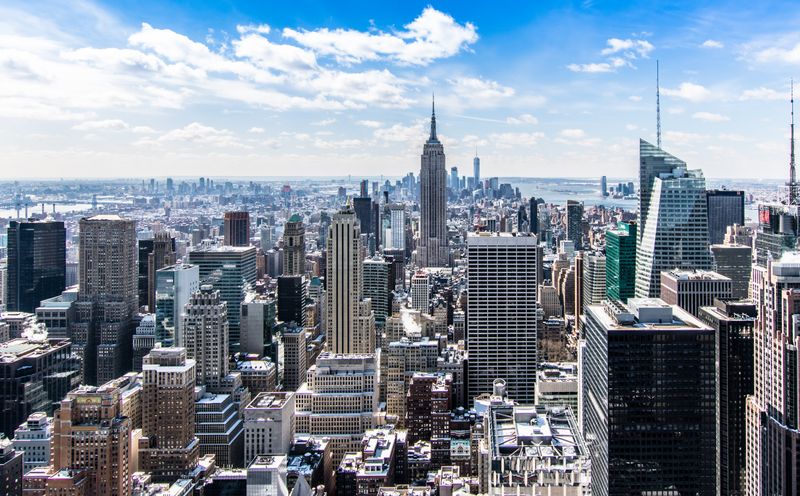
Urban Heat Islands: Why Cities Are Much Hotter Than Surroundings
Cities can be 3-8 degrees Celsius warmer than surrounding rural areas, a phenomenon known as the Urban Heat Island (UHI) effect. The primary cause is the replacement of natural vegetation with impervious surfaces like asphalt, concrete, and buildings that absorb and retain solar heat. Dark surfaces such as black asphalt can reach 70 degrees Celsius in direct sunlight, radiating heat long after sunset. Buildings block natural ventilation and trap heat in urban canyons.
Waste heat from vehicles, air conditioning, and industrial processes adds to the warming. Population density amplifies the effect: megacities like Tokyo and Mumbai can be 10 degrees warmer than their hinterlands during heat waves. UHI disproportionately affects low-income neighborhoods, which tend to have less tree cover and more hard surfaces. In the US, historically redlined neighborhoods are on average 5 degrees hotter than non-redlined areas in the same cities.
Mitigation strategies include green roofs, reflective cool roofs, urban tree planting, and permeable pavements. Singapore has pioneered vertical greening with rooftop gardens and green building facades, reducing local temperatures by 2-3 degrees. Milan is planting 3 million trees by 2030. Los Angeles has painted over 400 km of streets with reflective white coating, reducing surface temperatures by 5-8 degrees. These interventions are increasingly urgent as climate change amplifies urban heat, with deadly heat waves projected to affect 3.5 billion people by 2050..
Back